Steps to Treat Soil Salinity and Protect Your Garden Plants from Salty Water Damage
Soil salinity is a common problem faced by farmers and gardeners alike, negatively impacting plant growth and health. When excess salts accumulate in the soil, they hinder the plants' ability to absorb water and nutrients, leading to their weakening and eventual death. Understanding the causes of this problem and taking effective steps to treat soil salinity is crucial for maintaining a thriving and productive garden. In this article, we will discuss the main causes of soil salinity, its signs on plants, and the most important practical steps to eliminate it and protect your plants.
Causes of Salt Accumulation in Soil
Several factors lead to increased soil salinity, the most prominent of which are:
- Irrigation Water Quality: Using irrigation water with a high salt content is the most common cause, whether it's saline well water or poorly treated wastewater.
- Poor Drainage: Soil with poor drainage retains water for a long time, and as the water evaporates, salts precipitate and accumulate in the surface layer.
- Dry and Hot Climate: In areas with high evaporation rates, water evaporates from the soil surface, leaving salts behind.
- Excessive Fertilization: Overuse of chemical fertilizers, especially those with high salt content, can increase soil salinity over time.
- Proximity to Saline Water Sources: In coastal areas, saline groundwater may seep into the soil.
Signs of Soil Salinity on Plants
Several signs can indicate that plants are affected by soil salinity:
- Stunted or Slow Growth: Plants appear weak and short, not achieving expected growth.
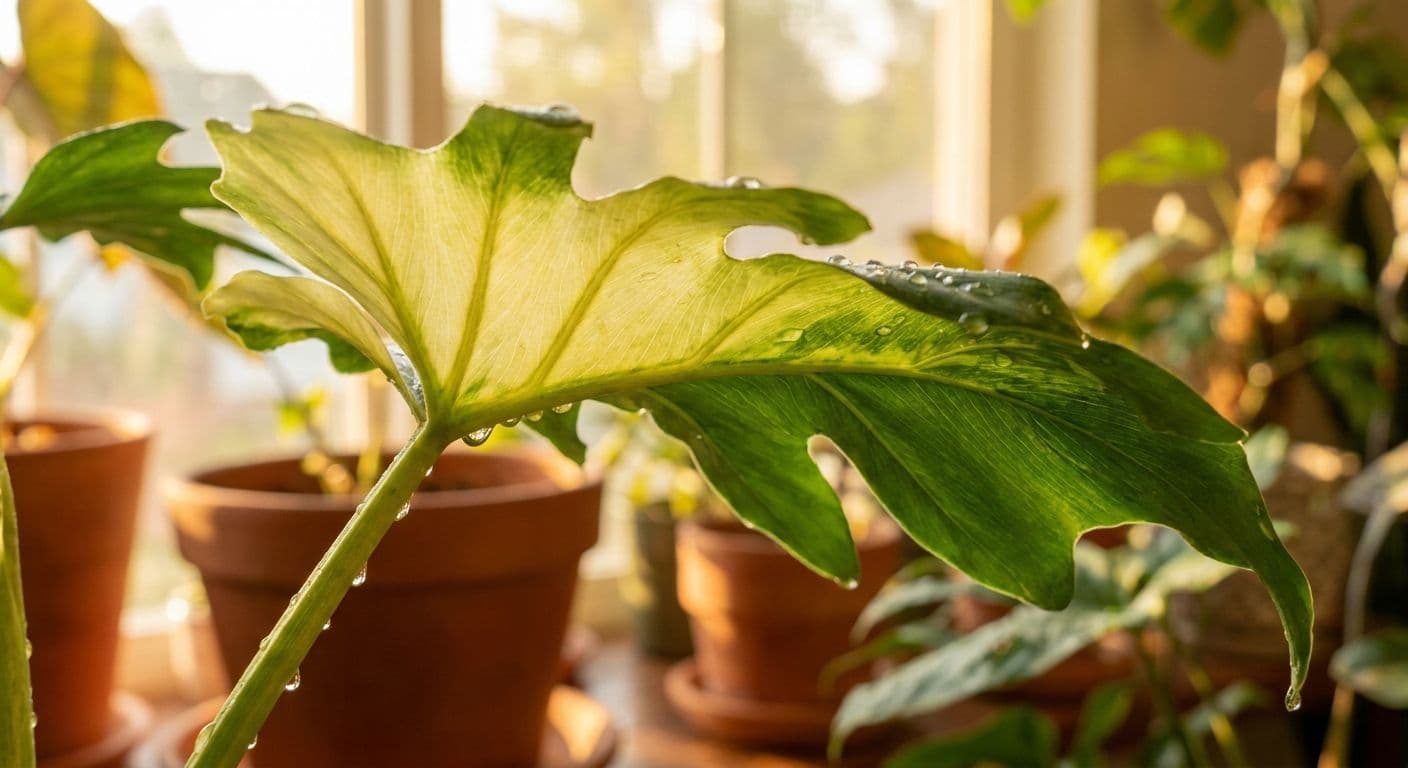
- Leaf Tip Burn: Leaf edges turn brown or yellow, appearing as if burned.
- Wilting Plants Despite Irrigation: Despite adequate water, plants show signs of wilting due to their inability to absorb water effectively.
- Leaf Discoloration: Leaves may turn a dark bluish-green or develop brown spots.
- Premature Leaf and Flower Drop: In severe cases, leaves and flowers may fall off prematurely.
- Reduced Productivity: The quantity and quality of fruits or crops decrease significantly.
Effective Steps to Treat Soil Salinity
Treating soil salinity requires a comprehensive approach that combines several practices:
Soil and Water Analysis:
- Before taking any action, it is essential to conduct a soil analysis to determine the salinity level (EC) and the type of dominant salts, as well as an analysis of irrigation water to know its composition. This helps determine the best treatment strategy.
Thorough Soil Leaching:
- Leaching is one of the most important methods for treating soil salinity. This process involves irrigating the soil with large amounts of clean water to wash excess salts down to the lower layers of the soil, away from the root zone.
- Leaching should be done slowly and periodically to allow water to penetrate and avoid wasting water.
Improving Drainage:
- If the soil suffers from poor drainage, salts will accumulate again. Drainage can be improved by:
- Adding Organic Matter: Such as decomposed organic fertilizer or compost, which improves soil structure and increases its drainage capacity.
- Creating Drains: In large gardens, it may be necessary to install a subsurface drainage network.
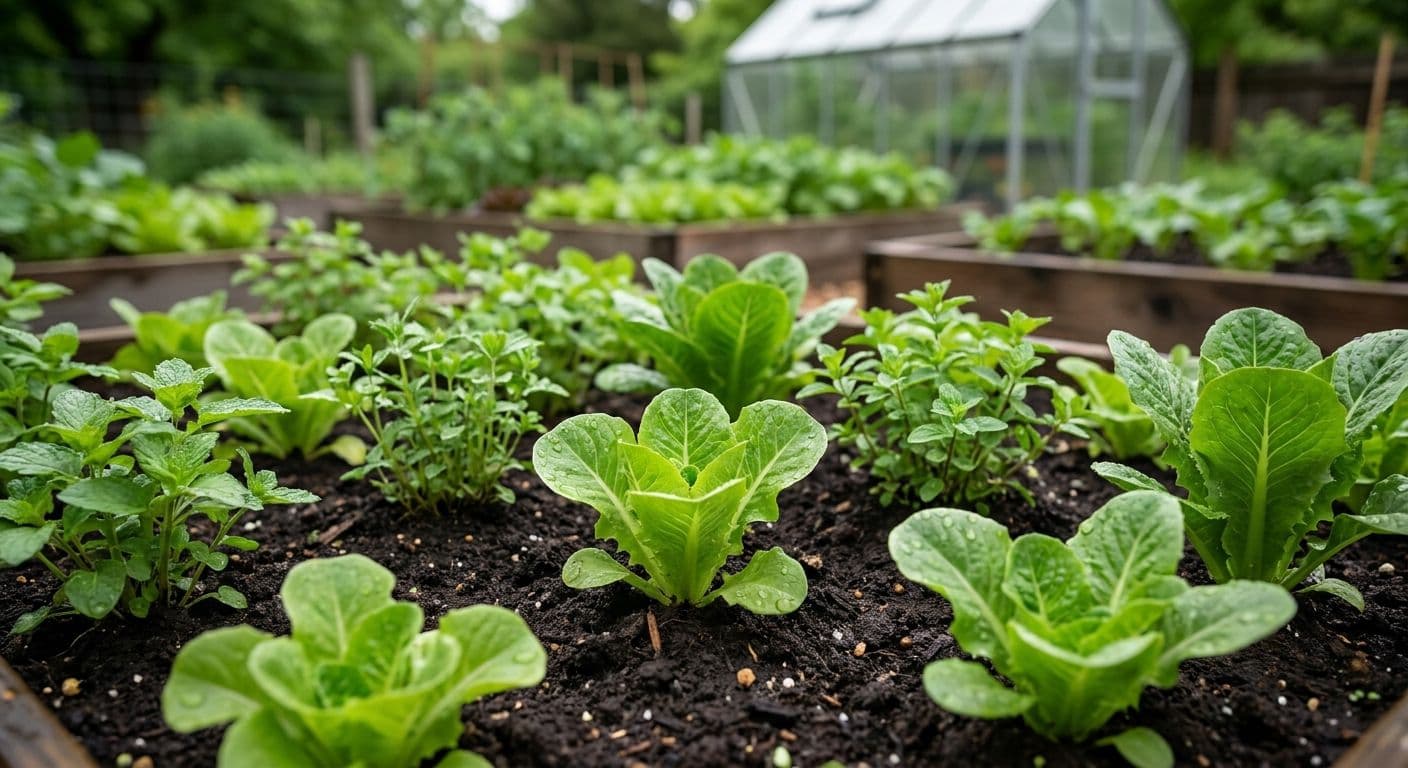
- Planting in Raised Beds: Helps provide a well-drained environment for plants.
- If the soil suffers from poor drainage, salts will accumulate again. Drainage can be improved by:
Using Agricultural Gypsum (Lime):
- In soils suffering from sodium salinity (sodic soils), agricultural gypsum (calcium sulfate) can be used. Gypsum works by replacing sodium ions with calcium ions, which helps improve soil structure and facilitates the leaching of excess sodium.
Choosing Salt-Tolerant Plants:
- If the salinity problem is intractable or persistent, plant species that can tolerate higher levels of salinity can be grown. Many vegetables, flowers, and trees are characterized by their salt resistance.
Efficient and Smart Irrigation:
- Drip Irrigation: Reduces water evaporation and limits salt accumulation on the soil surface.
- Avoid Over or Under-Irrigation: Regular irrigation with appropriate amounts prevents salt accumulation.
- Irrigate in the Early Morning or Evening: To reduce evaporation rates.
Soil Mulching:
- Using a layer of mulch (wood chips, straw, dry leaves) on the soil surface reduces water evaporation, thereby limiting the rise of salts to the surface.
Moderate Fertilization:
- Use organic fertilizers as much as possible, and moderate the use of chemical fertilizers, choosing those with low salt content.
Protecting Your Garden Plants from Salty Water Damage
In addition to the steps for treating soil salinity, preventive measures can be taken:
- Using Rainwater: Collecting rainwater and using it for irrigation reduces reliance on saline water sources.
- Water Desalination (if the water source is very salty): In some cases, it may be necessary to use small desalination systems for irrigation water.
- Creating Natural Barriers: If your garden is close to a saline water source (such as the sea), rows of salt-tolerant trees and shrubs can be planted as a natural barrier.
Conclusion
Treating soil salinity and protecting plants from its damage requires a deep understanding of the problem and a systematic application of solutions. By regularly analyzing the soil, improving drainage, using appropriate irrigation techniques, and moderating fertilization, any gardener can maintain healthy soil and thriving plants. Remember that prevention is better than cure, and continuous monitoring is key to success in combating this common problem.