The Best Indoor Plants That Don't Need Direct Sunlight to Decorate Your Home
Many homeowners and nature lovers aspire to bring a soothing green touch into their spaces, but a lack of windows or poor natural light often stands in the way of fulfilling this desire. The practical and optimal solution lies in choosing indoor plants that don't need direct sunlight. This category possesses an amazing ability to adapt and thrive in dim lighting, making them ideal for apartments, offices, and enclosed rooms without requiring advanced gardening experience.
Why Should You Own Indoor Shade Plants?
Plants adapted to low light feature many unique characteristics that make them an attractive choice, most notably:
- Easy Care and Resilience: These plants do not require daily attention, as the lack of light reduces water loss and evaporation rates.
- Indoor Air Purification: Studies have shown that many shade plants efficiently filter harmful substances and replenish oxygen in enclosed spaces.
- Superior Design Flexibility: You can place them in narrow hallways, on bookshelves, or on desks completely away from window sources.
List of the Best Indoor Plants That Don't Need Sunlight and Tolerate Shade
If you are looking for reliable and proven options in low-light environments, here is an outstanding selection:
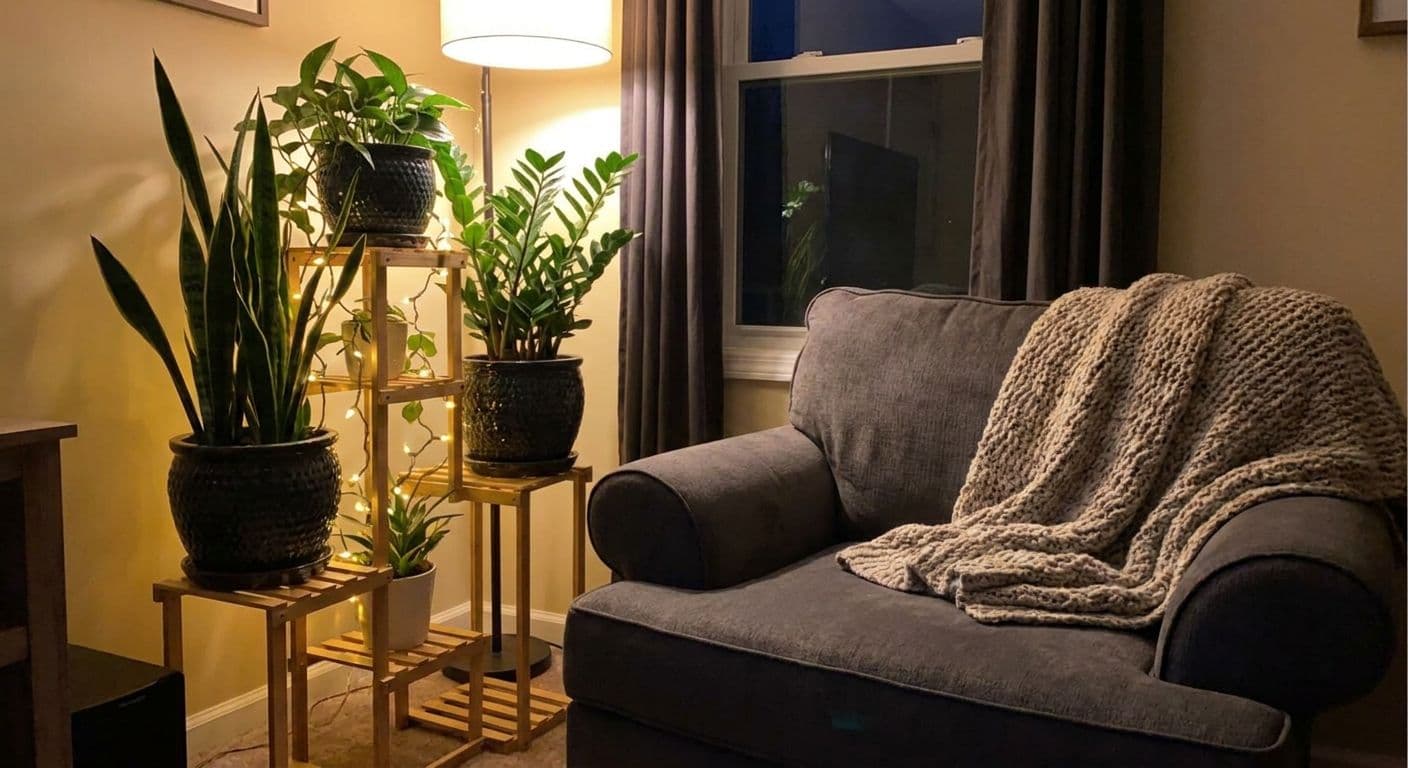
- ZZ Plant: Known as the indestructible plant, it boasts waxy, dark green leaves that reflect a unique beauty. Thanks to its underground rhizomes, it can survive for weeks in dark corners almost entirely without water.
- Snake Plant (Sansevieria): Considered one of the easiest plants to handle, it tolerates the absence of bright light and temperature fluctuations. Its stiff, upright leaves add a modern architectural touch to any space.
- Pothos: Nicknamed Devil's Ivy for its hardiness, this wonderful trailing plant thrives even under regular fluorescent lighting and is distinguished by leaves that grow like a delightful green waterfall.
- Peace Lily: In addition to tolerating low light, this plant produces elegant white blooms full of sophistication, and gives a clear signal when it needs water by slightly drooping its leaves.
- Dracaena: Characterized by its striped, lanceolate leaves, it comes in several shapes and sizes suitable for living rooms with indirect light.
- Cast Iron Plant: Its name reflects its sheer toughness and remarkable ability to survive in semi-dark spots where most other plants fail.
Tips and Guidelines for Caring for Low-Light Plants
To ensure the continued freshness of any indoor plants that don't need direct sunlight and prevent damage, it is recommended to follow these rules:
- Strict Moderation in Watering: Due to the low light, the plant's water consumption is very slow; therefore, the soil must be allowed to dry out completely between waterings to avoid fatal root rot.
- Provide Good Drainage: Make sure to plant in a pot with drainage holes at the bottom, using a well-aerated potting mix such as peat moss and perlite.
- Clean Leaves Periodically: Dust accumulation on the leaf surface hinders the already limited photosynthesis process; wipe the leaves with a soft, damp cloth every two weeks.
- Reduce Fertilization: Shade plants do not require heavy doses of fertilizer; feeding them a highly diluted dose of balanced fertilizer once in the spring and once in the summer is sufficient.
Conclusion
A lack of sunlight is no longer an obstacle to bringing natural life into your home's corners. Owning indoor plants that don't need direct sunlight provides an elegant decorative touch, elevates your mood, and improves the health of your environment with minimal care. Start by choosing a resilient plant like the ZZ plant or Pothos, and enjoy a delightful, successful gardening journey by every measure.