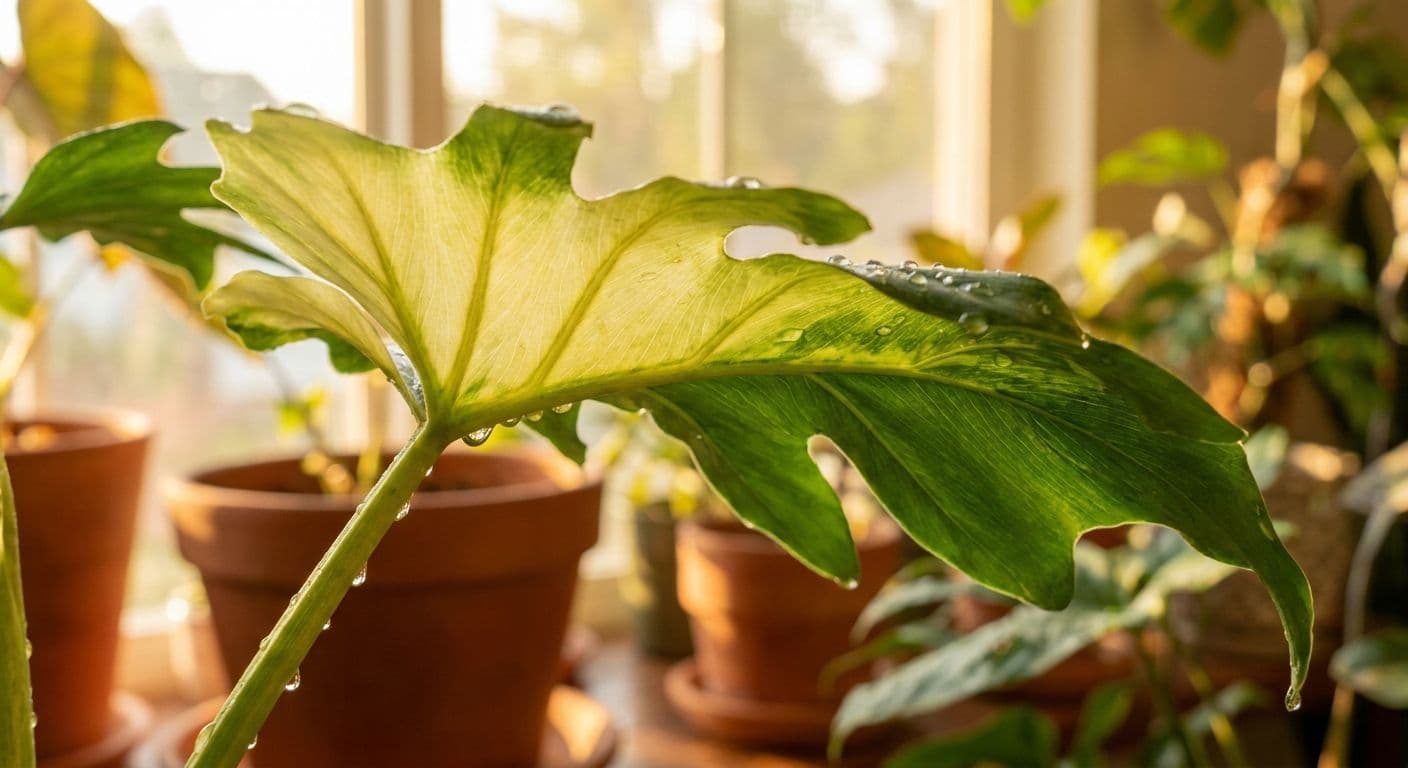
Causes of Yellowing Plant Leaves and Effective Ways to Treat Them to Protect Your Garden
Yellowing leaves are among the most common problems faced by home gardening enthusiasts and garden owners, where the plant loses its lush green luster and gradually begins to wilt. This phenomenon may seem alarming at first glance, but in reality, it is an early warning sign sent by the plant requesting care. To successfully address this issue, you must first identify the exact causes and then take practical steps in treating yellowing plant leaves to quickly restore their freshness and vitality.
Most Prominent Causes of Yellowing Plant Leaves
There are various environmental and physiological factors that cause leaves to turn from green to yellow, the most important of which include:
- Improper Watering (Overwatering or Underwatering): Overwatering is the primary cause of yellow leaves, as waterlogged soil suffocates roots and leads to rot, hindering nutrient absorption and making leaves yellow and soft. Conversely, severe drought causes dry leaf margins and gradual yellowing.
- Deficiency of Essential Nutrients: Plants require specific minerals to produce the green chlorophyll pigment. A lack of nitrogen leads to pale, yellowing older lower leaves first, while iron and magnesium deficiencies appear as yellowing between the veins of new leaves while the veins remain green.
- Inadequate Light Intensity: Placing a plant in a dark environment weakens its ability to carry out photosynthesis, causing it to automatically shed leaves after they turn yellow. Additionally, exposure to scorching direct sunlight can scorch leaf edges and turn them yellow.
- Pest Infestations and Fungal Diseases: Insects such as aphids, mealybugs, and spider mites attack lower plant tissues and suck their sap, leading to distorted yellow spots that impair the overall appearance.
Practical Steps to Treat Yellowing Plant Leaves
Successful recovery depends on prompt, deliberate intervention through the following measures:
- Readjust Watering Schedules and Improve Drainage: Check soil moisture by inserting your finger 2–3 cm deep; if it is completely wet, withhold watering until the top layer dries out. Also, ensure pots have adequate drainage holes to prevent excess water from collecting in the saucer below.
- Balanced Fertilization and Addressing Nutrient Deficiencies: Treating yellowing plant leaves caused by poor nutrition relies on supplying the plant with a balanced fertilizer (NPK) containing macro and micro nutrients regularly during the growing season. If you notice interveinal chlorosis, use fast-absorbing chelated iron via soil drench or foliar spray.
- Adjust Plant Location According to Light Needs: Move shade-tolerant plants to bright spots with ample indirect light, such as near east-facing windows. For plants suffering from sunburn, provide shade to protect them from harsh midday sun.
- Pest Control Upon First Detection: Regularly inspect leaves from top to bottom. Upon spotting any insects, promptly wash the leaves with a gentle spray of water, then apply organic neem oil or insecticidal soap to completely eliminate pest colonies.
Preventive Tips to Ensure Garden Health
Ongoing prevention remains the ideal solution for protecting your plants over the long term. To achieve this, it is recommended to:
- Wipe away dust accumulated on leaves using a soft, damp cloth to help pores breathe.
- Prune dead yellow leaves with sterilized shears to encourage the plant to direct its energy toward healthy leaves and new growth.
- Test soil pH and ensure it suits the plant species, as overly alkaline soil prevents iron uptake even when present in the soil.
In conclusion, the success of treating yellowing plant leaves begins with mindfully reading your plant's leaves and monitoring surrounding climatic changes. By committing to moderate watering, adequate fertilization, and a balanced lighting environment, you can restore your garden's splendor and turn it into a thriving green oasis all year round.