Houseplant Fertilization Guide: Best Types of Fertilizers and the Correct Year-Round Schedule
Indoor plants are a delightful aesthetic addition to every corner of the home, infusing life, purifying the surrounding air, and providing the space with renewed positive energy. However, merely providing light and regular watering is not enough to ensure these plants grow healthily and sustainably; rather, these green living beings require balanced nutrition that supplies them with essential vital elements. This is where the importance of fertilizing houseplants emerges as an indispensable pillar of a comprehensive care routine. In this comprehensive guide, we will explore everything you need to know about fertilization, from selecting the right fertilizers to precise schedules across the seasons.
Why Is Fertilizing Houseplants Vital?
Unlike plants that grow in open agricultural soil rich in renewable minerals, houseplants live inside pots with a fixed capacity and a very limited amount of soil. Over time and with repeated watering, nutrients are gradually depleted and washed away with excess water leaking from drainage holes. Regularly fertilizing houseplants contributes to achieving the following benefits:
- Promoting vegetative growth: Stimulating the plant to produce strong new leaves with vibrant, lush colors.
- Strengthening the root system: Helping roots branch out healthily to absorb water efficiently and withstand environmental fluctuations.
- Supporting blooming: Providing the necessary nutritional energy for blooms to emerge and protecting them from premature dropping in flowering plants.
- Boosting natural immunity: Protecting the plant from fungal and insect pest attacks resulting from weakness and poor nutrition.
The Best Types of Fertilizers for Indoor Plants
Multiple plant nutrition options are available in stores, generally classified into three main choices:
- Liquid Chemical Fertilizers (Balanced NPK):
This is the most popular and effective option for indoor plants, especially balanced formulas such as (20-20-20) or (10-10-10). Nitrogen (N) represents leaf growth, phosphorus (P) root development, and potassium (K) overall plant health. This fertilizer is diluted with water for direct absorption by the roots. - Slow-Release Fertilizers:
These come in the form of capsules or small granules mixed into the top layer of soil. They dissolve slowly with each watering, releasing nutrients gradually over three to six months, making them ideal for busy people. - Natural Organic Fertilizers:
These include seaweed extract, compost tea, and fish emulsions. These nutrients stand out for being completely safe for the indoor environment and enriching the soil with beneficial microbes with virtually no risk of root burn.
Houseplant Fertilization Schedule Throughout the Year
A plant's need for nutrients changes according to its annual growth cycle and the changing seasons. Here is the proper step-by-step fertilization schedule:
- Spring (Active Growth Phase): The plant begins to awaken and produce new shoots. Start fertilizing once every two to three weeks with a solution diluted to half the strength recommended on the fertilizer package.
- Summer (Peak Growth Phase): The plant consumes nutrients at a faster rate during this period. Maintain a fertilization schedule of every two weeks, taking care to pause temporarily during severe heat waves so the plant does not experience stress.
- Autumn (Slowing-Down Phase): Temperatures gradually drop and daylight decreases, slowing down photosynthesis. Reduce fertilization to once a month at a very light concentration.
- Winter (Dormancy Phase): Most plants enter a winter rest period. You must completely stop fertilizing houseplants throughout this season because the roots do not absorb nutrients, which can lead to salt accumulation and root burn.
Golden Tips and Guidelines for Protecting Plant Roots
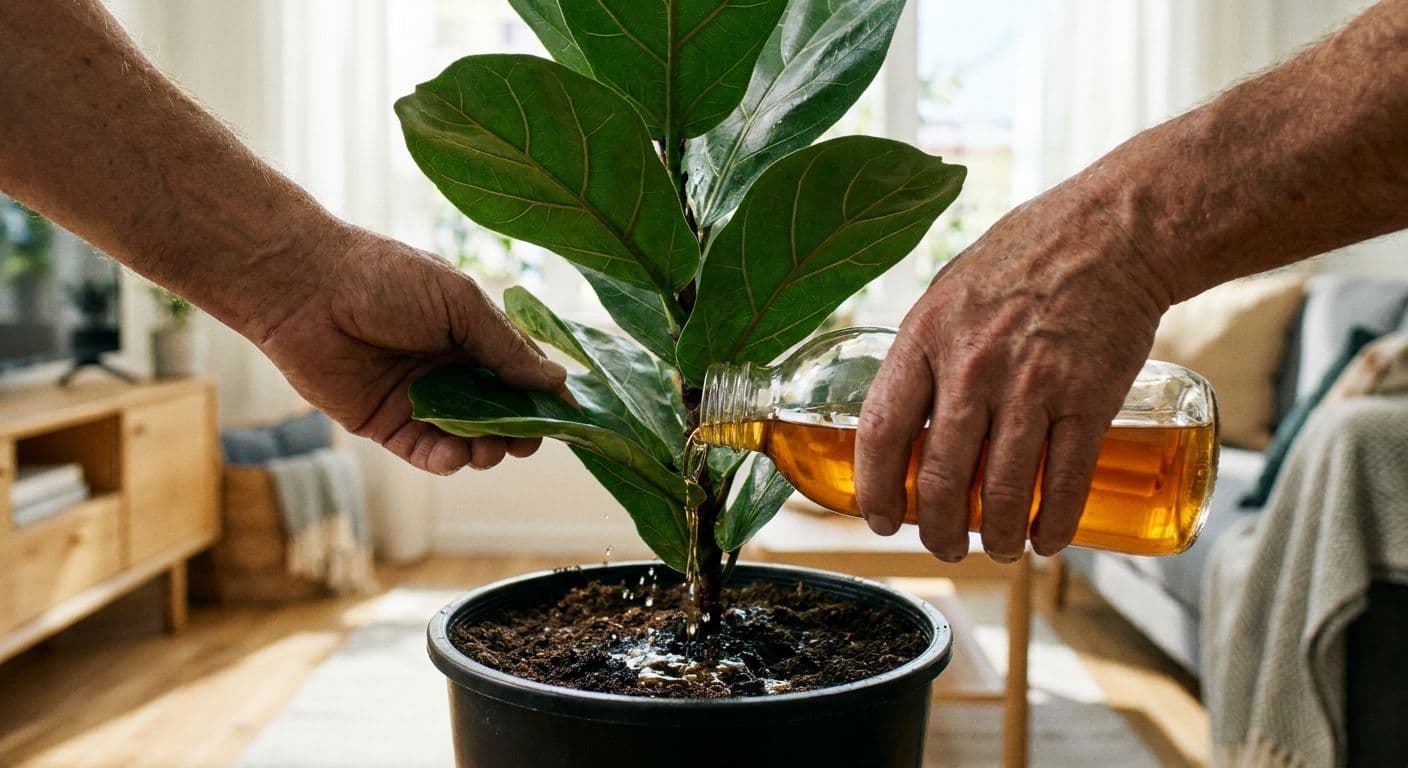
- Avoid fertilizing dry soil: Always make sure to water the plant with fresh water a few hours before applying the fertilizer solution to prevent chemical shock.
- Moderation in quantities: Apply the rule "a consistent little is better than a sudden lot." Under-fertilization is easy to treat, whereas over-fertilization can cause permanent damage.
- Flush the soil periodically: Water the pot generously once every three months until water drains completely from the bottom to flush out excess salt buildup.
Mastering the art of fertilizing houseplants by following these well-considered steps will ensure you enjoy a lush, green indoor garden that decorates your home all year round.