The Best Types of Natural Grass for Home Gardens: Your Guide to Choosing in Saudi Arabia's Climate
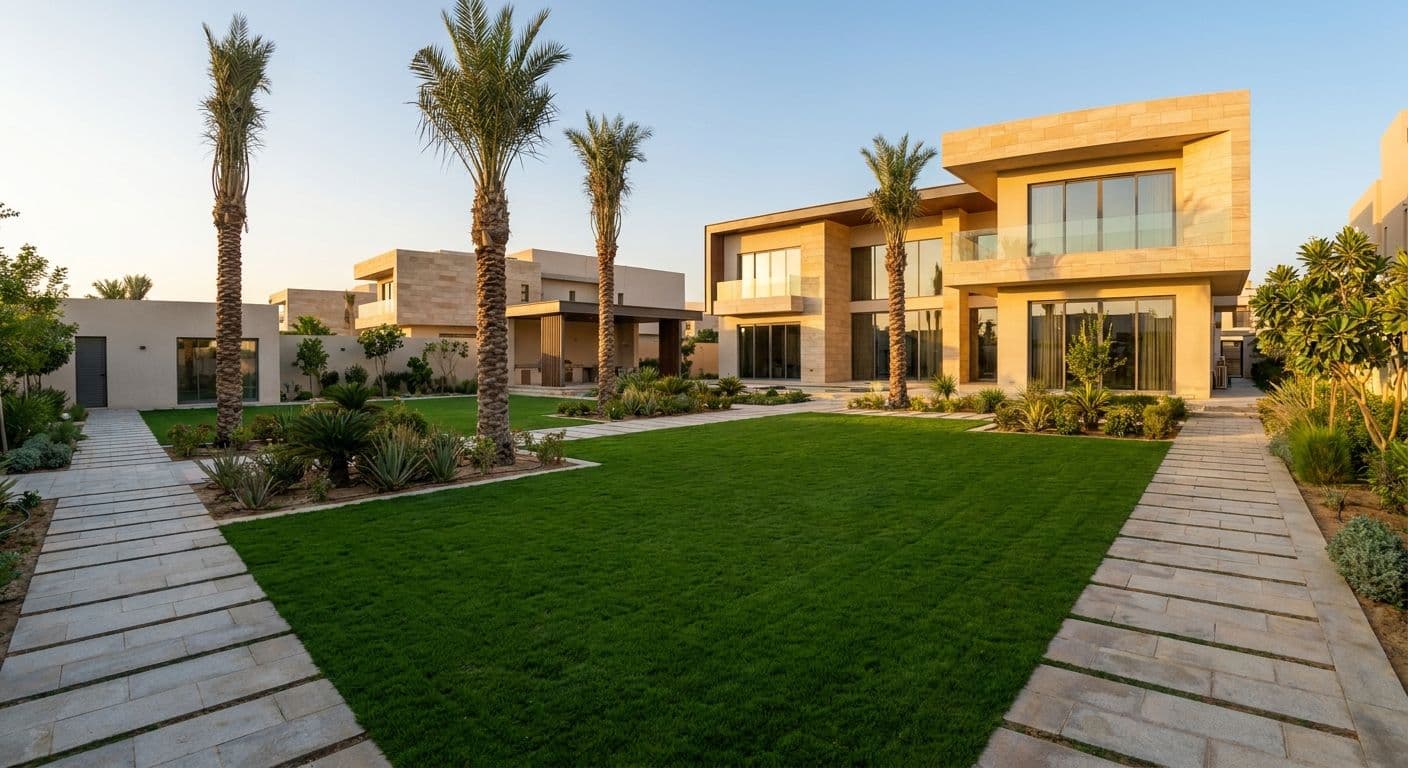
A green home garden is a relaxing haven that enhances the beauty of the home and provides the family with space to unwind. However, the climatic nature of Saudi Arabia—characterized by high temperatures, scarce rainfall, and salinity in certain regions—poses a major challenge to the sustainability of ground cover. Therefore, understanding the types of natural grass and selecting the most suitable variety is a crucial step to ensuring a lush, long-lasting lawn with minimal maintenance costs.
Most Popular Types of Natural Grass for Home Gardens
Various varieties of natural turf are available in Saudi nurseries, but warm-season grasses are the ones that prove their efficiency. Here are the most prominent types:
1. Bermuda Grass
Bermuda grass is one of the most widely used types of natural grass in the Kingdom. It is characterized by its superior ability to withstand scorching heat, high drought tolerance, and remarkable ability to recover quickly from heavy use and foot traffic.
- Pros: Fast growth, exceptional sun tolerance, cost-effective.
- Cons: Requires regular and frequent mowing, and does not grow well in the shade.
2. Paspalum Grass
If you live in a coastal area such as Jeddah or Dammam, or rely on well water with high salinity levels, Paspalum is the ideal choice. It is distinguished by its deep green color and dense, soft texture.
- Pros: Exceptional tolerance to salinity and heat, luxurious aesthetic appeal.
- Cons: Requires balanced fertilization to resist fungal diseases.
3. Zoysia Grass
Zoysia is an excellent choice for luxury residences seeking an ultra-soft grass carpet. It tolerates high temperatures well and has the advantage of handling partial shade much better than Bermuda grass.
- Pros: Slow growth reducing mowing frequency, very soft texture, and weed-resistant.
- Cons: Slow recovery of density if damaged, and higher initial cost.
How to Choose the Best Fit for Your Garden's Climate in Saudi Arabia?
To weigh your options among the types of natural grass and determine the best fit for your home, consider the following criteria:
- Sun and Shade Conditions: If your garden is surrounded by high walls and trees that block the sun, avoid Bermuda and opt for Zoysia. If the area is completely open to direct sunlight, Bermuda is the most suitable.
- Irrigation Water Quality: If your irrigation water has moderate or high salinity, Paspalum is the unrivaled option.
- Traffic Intensity: If you have children or pets frequently playing in the yard, you need a resilient and durable grass like hybrid Bermuda (Tifway 419).
- Available Maintenance Level: Determine your time and budget; fast-growing varieties require continuous labor for mowing and edging, while slow-growing varieties like Zoysia save significant effort.
Tips for Keeping Natural Grass Green
Regardless of your selection among the types of natural grass, maintaining its vibrant look requires adopting proper lawn care practices:
- Smart Irrigation: Water the lawn in the early morning hours to minimize evaporation and prevent fungal development overnight.
- Aeration and Soil Drainage: Ensure the soil is aerated annually to allow roots to breathe and absorb nutrients effectively.
- Regular Fertilization: Use a fertilizer rich in nitrogen and potassium to boost root strength and maintain vibrant color.
In conclusion, the success of your lawn relies on carefully balancing the grass variety with your local climate and usage patterns. Invest in the right variety to enjoy a verdant garden that enhances your home's appeal and aesthetic value.