Best Times and Methods for Watering Outdoor Plants in Summer to Protect Them from Drought and Leaf Scorch
With the arrival of summer and rising temperatures, watering outdoor plants becomes a real challenge that requires a deep understanding of their needs and how to meet them effectively. Incorrect watering, whether over-watering or under-watering, can lead to plant dehydration, leaf scorch, and even death. To protect your garden and plants from the harshness of summer, it is essential to know the optimal times to water plants in summer and the best methods to ensure they receive sufficient water without waste.
Watering Times for Plants in Summer: When to Water Your Plants?
Choosing the right time to water is key to maintaining the health of your plants in the summer heat.
- Early Morning (Best): Early morning, before or immediately after sunrise (between 5 AM and 9 AM), is the ideal time for watering. At this time, temperatures are low and the evaporation rate is minimal, allowing the soil to absorb water slowly and deeply before the intense heat of the sun begins. Also, any leaves that might get wet during watering will have ample time to dry completely before nightfall, reducing the risk of fungal diseases.
- Late Evening (Secondary Option): If you miss watering in the morning, late evening (after sunset and when temperatures drop) can be an alternative option. At this time, evaporation also decreases, giving plants a chance to absorb water. However, care must be taken not to excessively wet the leaves, as remaining wet overnight can encourage the growth of fungi and bacteria.
- Avoid Midday: Watering should be completely avoided during the hot midday hours (between 11 AM and 4 PM). At this time, the evaporation rate is at its peak, meaning most of the water will evaporate before the roots can absorb it, making watering ineffective and a waste of water. Additionally, water droplets remaining on leaves can act as magnifying lenses, focusing sunlight and causing leaf burns.
Correct Watering Methods to Protect Your Plants
Besides timing, the watering method plays a crucial role in its effectiveness:
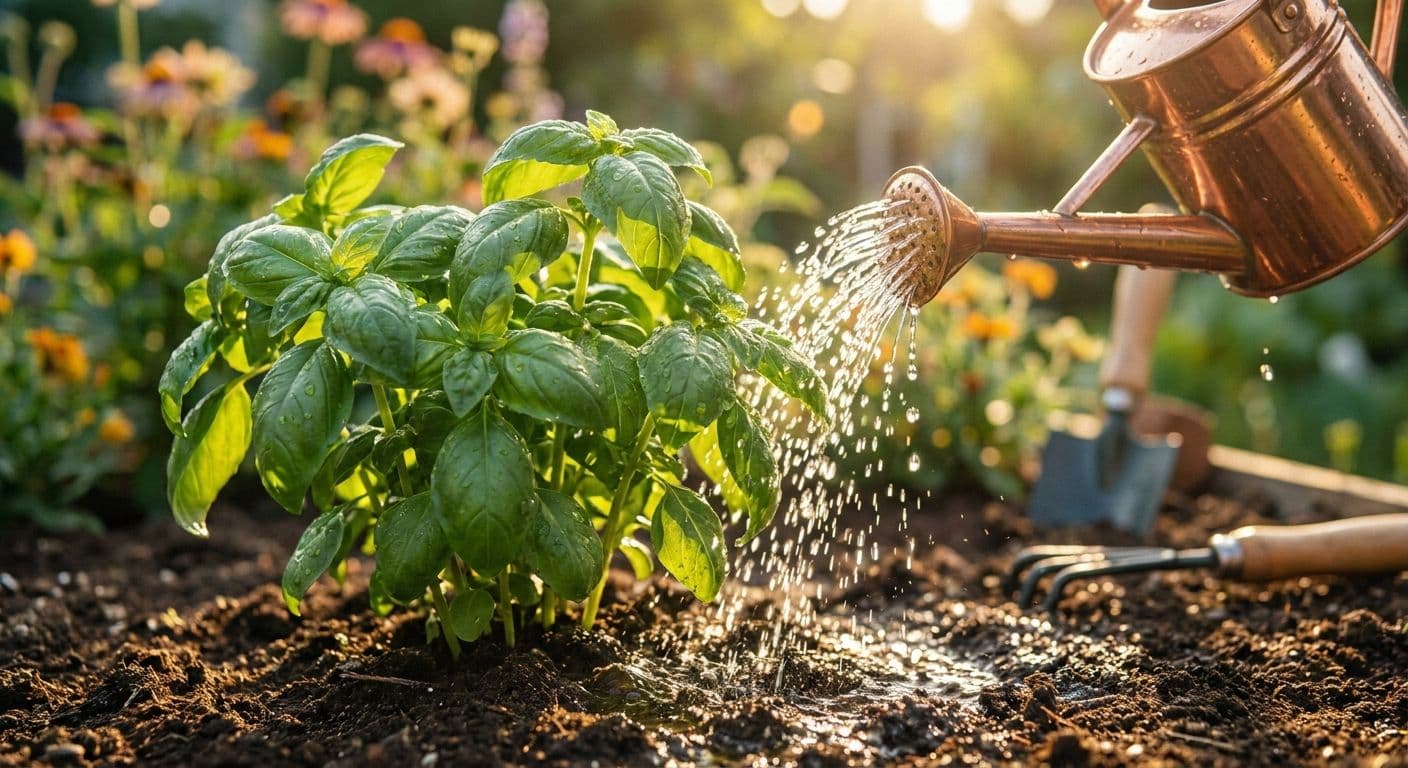
- Deep and Infrequent Watering: Instead of frequent shallow watering, which encourages shallow and weak root growth, focus on deep watering that reaches the plant's deep roots. This encourages the plant to develop a strong root system capable of searching for water deep in the soil, making it more drought-resistant. Wait until the top layer of soil dries out before watering again.
- Water at the Base of the Plant: Direct water directly to the base of the plant, near the roots, and avoid spraying leaves and flowers. This reduces water loss through evaporation and prevents diseases that can result from excessive leaf moisture.
- Use Efficient Irrigation Systems: Drip irrigation systems or soaker hoses are excellent options for large gardens or plants that require regular watering. These systems deliver water slowly and directly to the root zone, reducing waste and increasing watering efficiency.
- Check Soil Moisture: Before watering, check the soil moisture by inserting your finger about 5-10 cm into the soil. If it feels dry, it's time to water.
Factors Affecting Watering Needs
Plant water needs vary based on several factors:
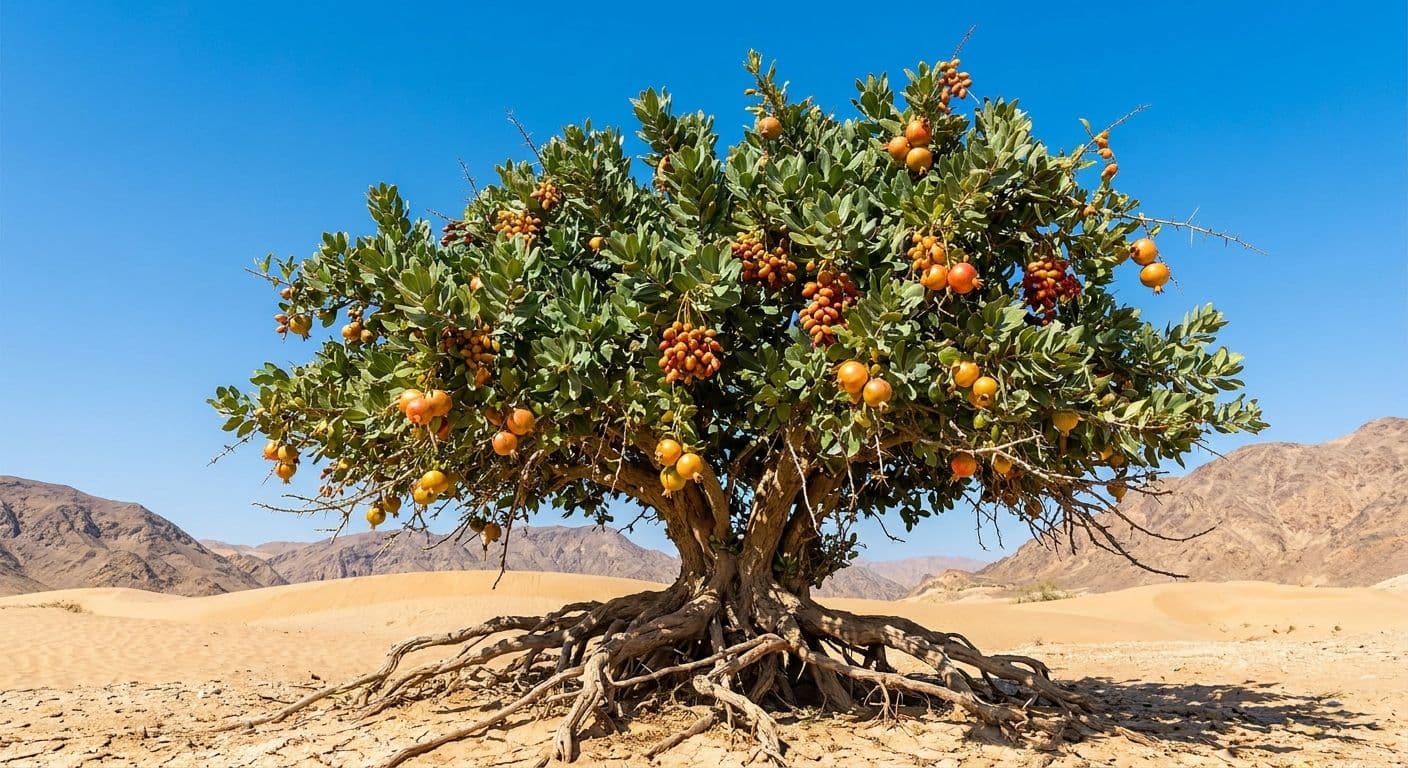
- Plant Type: Some plants, like succulents and desert plants, are drought-tolerant and need less watering, while others, like vegetables and flowering plants, need more regular watering.
- Soil Type: Sandy soil drains water quickly and needs more frequent watering, while clay soil retains water longer and needs less watering.
- Location: Potted plants dry out much faster than those planted in open ground and need more frequent watering.
- Weather Conditions: High temperatures, strong winds, and low humidity increase the evaporation rate and increase plants' need for water.
Additional Tips to Protect Your Plants in Summer
- Mulching: Use a thick layer (5-10 cm) of organic mulch (such as wood chips, straw, or dry leaves) around the base of plants. Mulch helps retain soil moisture, reduces evaporation, and keeps roots cool.
- Provide Shade: For plants sensitive to direct sunlight, consider providing some shade during peak hours using shade cloth or planting them in protected areas.
- Group Plants: Grouping plants together can help create a more humid environment around them, reducing water loss through evaporation.
Conclusion
Watering outdoor plants in summer requires a thoughtful strategy and flexibility to adapt to changing conditions. By choosing the correct watering times for plants in summer, applying effective watering methods, and considering influencing factors, you can protect your plants from drought and leaf scorch, ensuring your garden thrives throughout the hot season. Always remember that continuous monitoring of your plants and soil is your best guide.